Cash flow also affects your company’s ability to grow. Positive cash flow gives you more capital to spend on expenditures like a new machine or a second l...
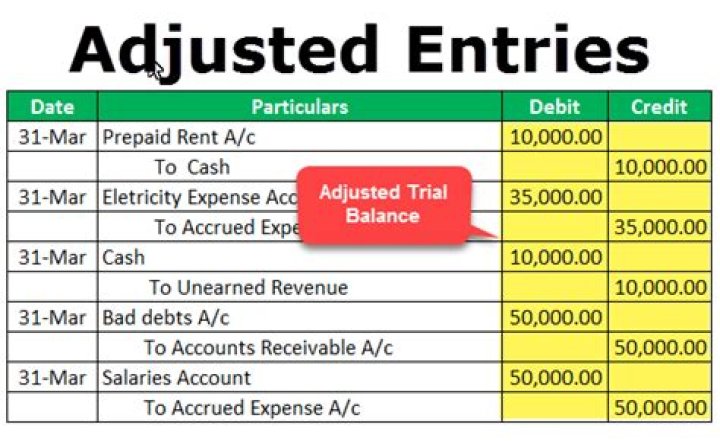
Each adjusting entry usually affects one income statement account (a revenue or expense account) and one balance sheet account (an asset or liability acco...
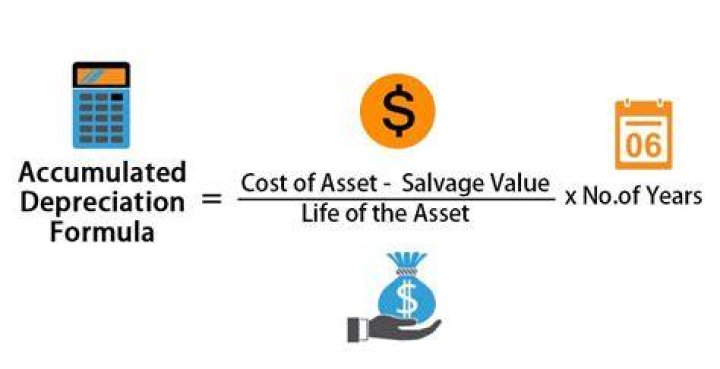
Accumulated depreciation is the total amount an asset has been depreciated up until a single point. Each period, the depreciation expense recorded in that...
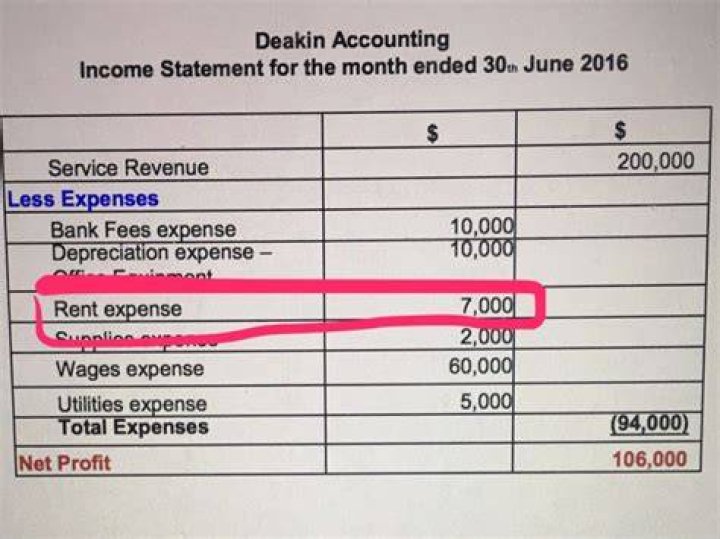
Rent expense is typically allocated between the selling and administrative, and production portions of the income statement. Alternatively, the entire amo...
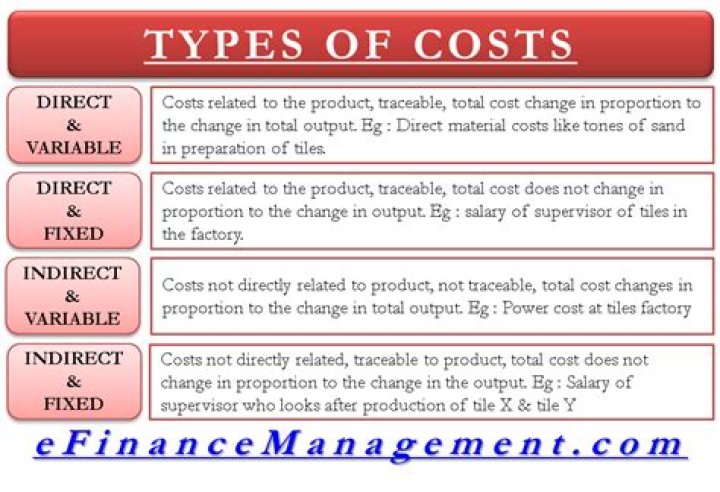
When you have a business, you have direct and indirect costs. Tracking these expenses is key to having up-to-date books, receiving tax deductions, and mak...
Record an owner’s contribution or capital investment in your… Step 1: Set up an equity account. Before you can record a capital investment, you need to se...
Capital Expenses Essentially, a capital expenditure represents an investment in the business. Examples of capital expenses include the purchase of fixed a...
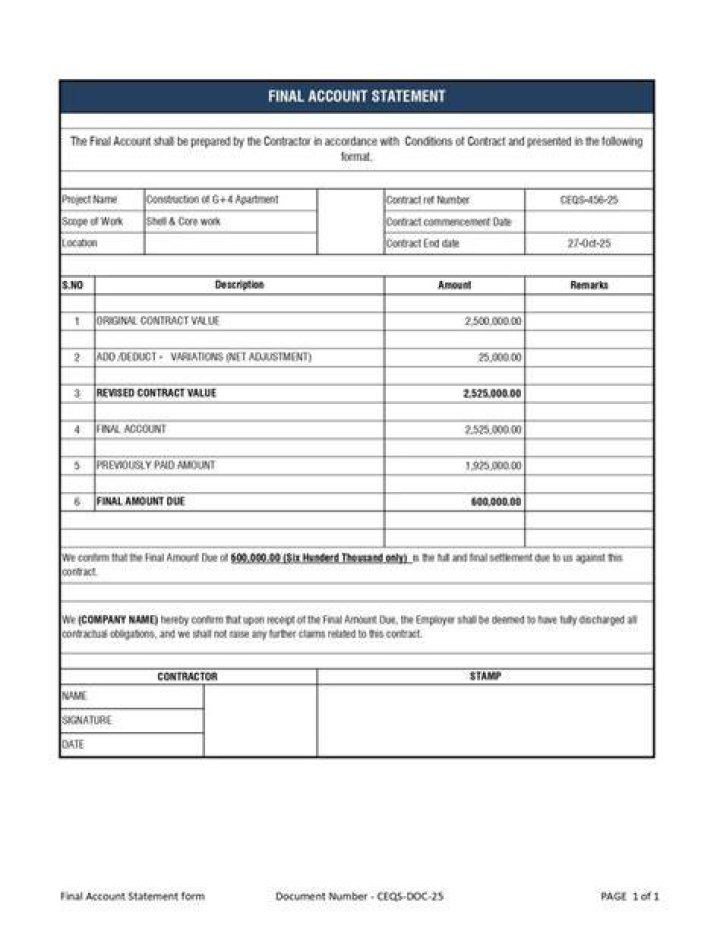
Final accounts gives an idea about the profitability and financial position of a business to its management, owners, and other interested parties. All bus...
A liability is something a person or company owes, usually a sum of money. Recorded on the right side of the balance sheet, liabilities include loans, acc...
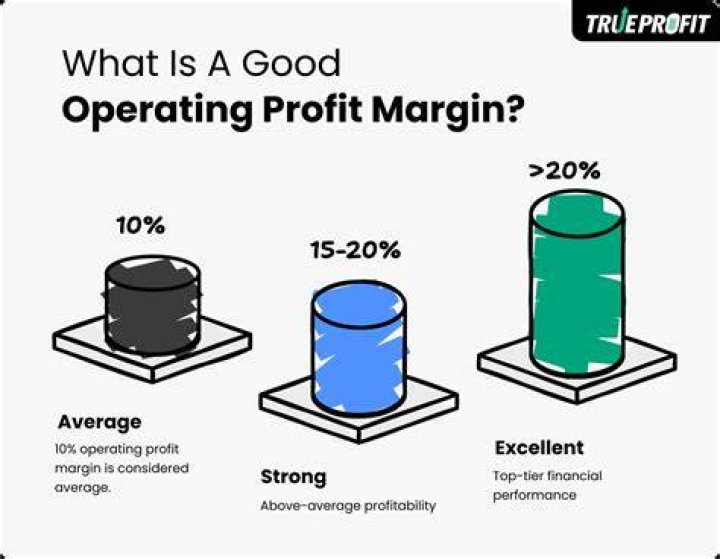
An NYU report on U.S. margins revealed the average net profit margin is 7.71% across different industries. But that doesn’t mean your ideal profit margin ...