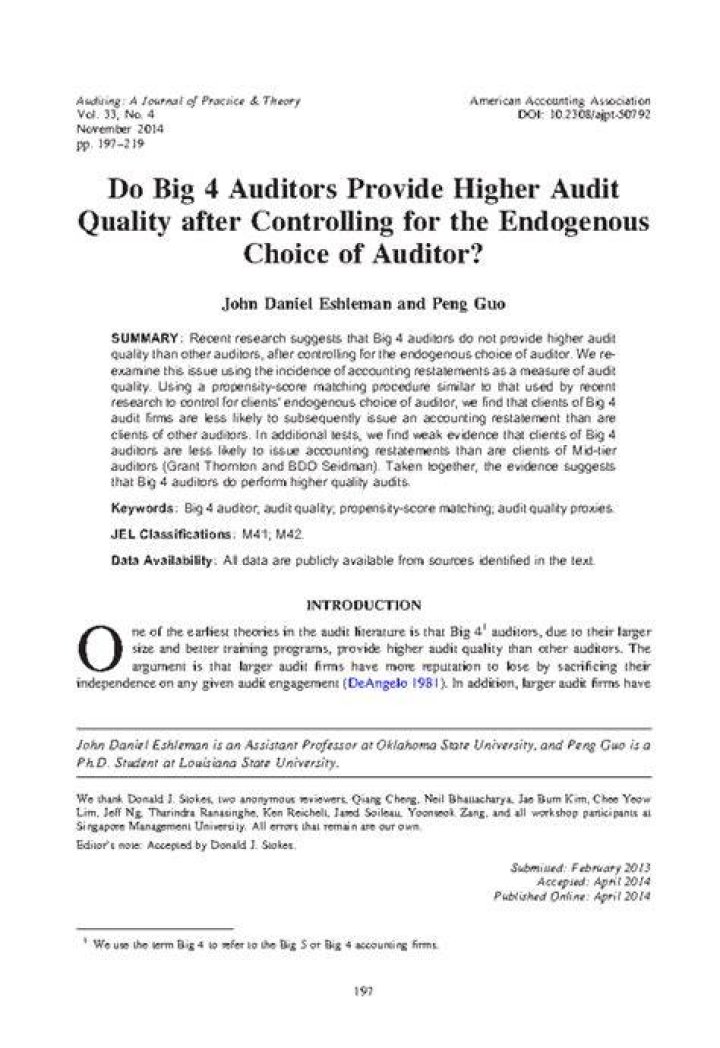
For the supply side, the auditor choice is theoretically consisted of Big 4 and non-Big 4 audit firms. With their greater motivation to maintain reputatio...
Cash Conversion Cycle (CCC) Analyze your cash flow and operations on a daily basis. Ask your customers to pay you sooner. If you ask your customers to pay...
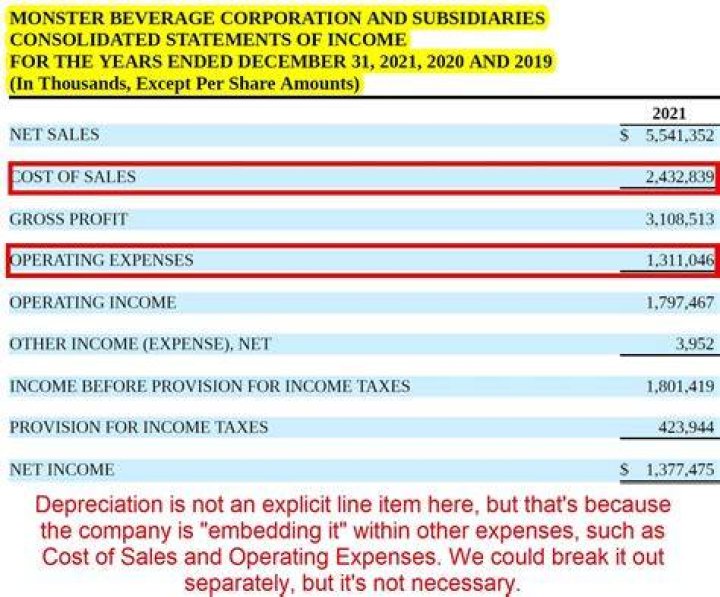
A depreciation expense reduces net income when the asset’s cost is allocated on the income statement. It is an accounting measure that allows a company to...
A charge-off or chargeoff is a declaration by a creditor (usually a credit card account) that an amount of debt is unlikely to be collected. This occurs w...
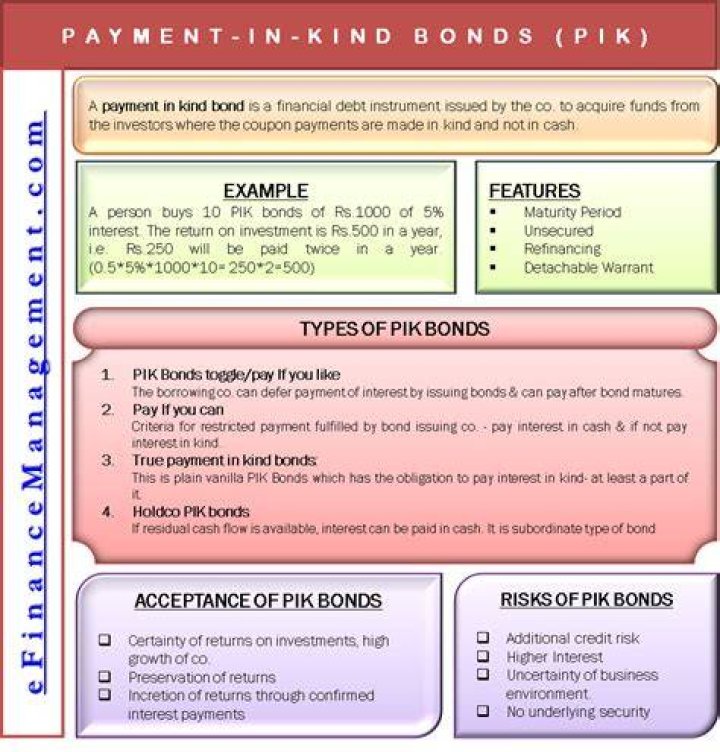
A “payment-in-kind” (PIK) note (or loan) is a way for companies to borrow money. When issuing a bond, a company typically borrows a fixed amount of money,...
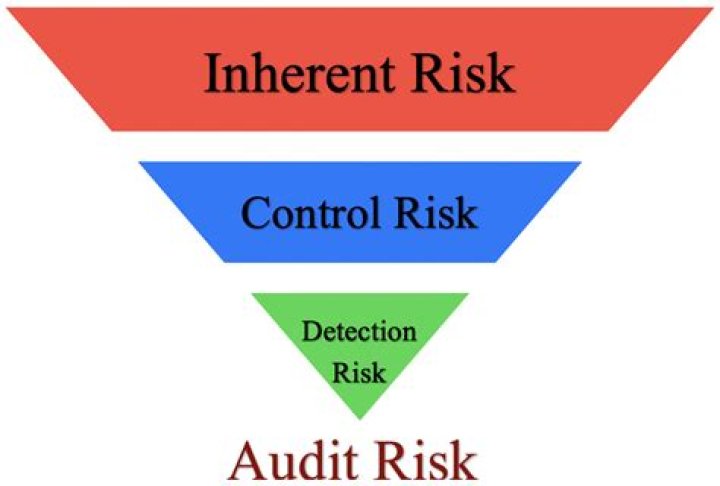
Detection risk occurs when an auditor fails to identify a material misstatement in a company’s financial statements. There are three types of audit risk: ...
The cost principle, also known as the historical cost principle states that assets should be recorded at their original cost, rather than their current ma...
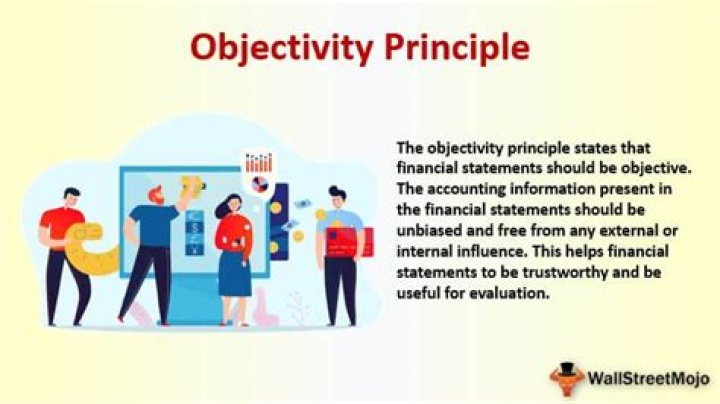
The objectivity principle states that accounting information and financial reporting should be independent and supported with unbiased evidence. This mean...
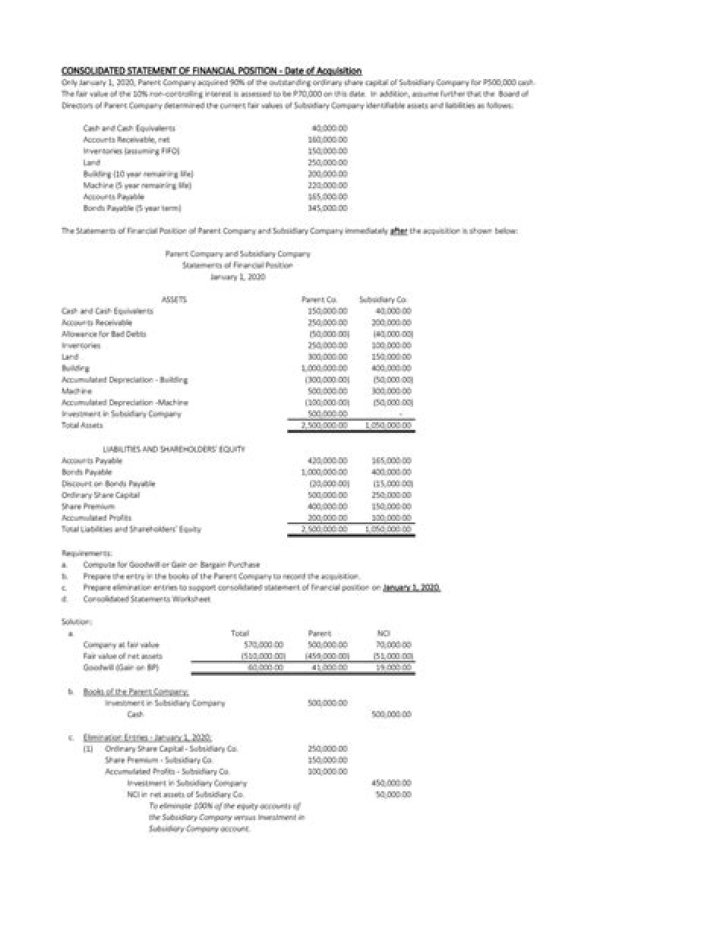
Goodwill is treated as an intangible asset in the consolidated statement of financial position. It arises in cases, where the cost of purchase of shares i...
CR. abbreviation. conditioned reflex; conditioned response. consciousness-raising. What is CR and CD in accounting? For example, CR is the two-letter code...