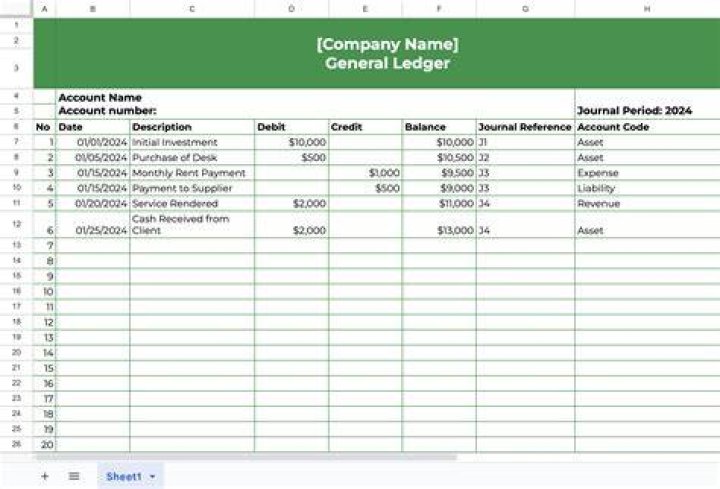
In what order are accounts arranged in the general ledger? Why? Assets, Liabilities, and owner’s equity first, followed by revenue accounts, then expenses...
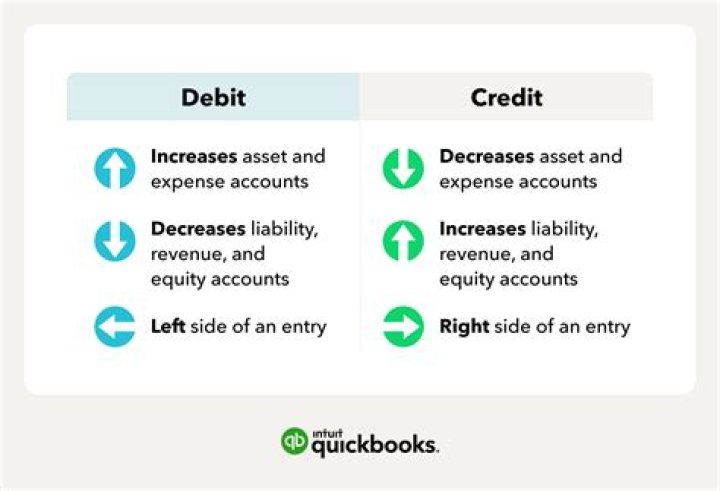
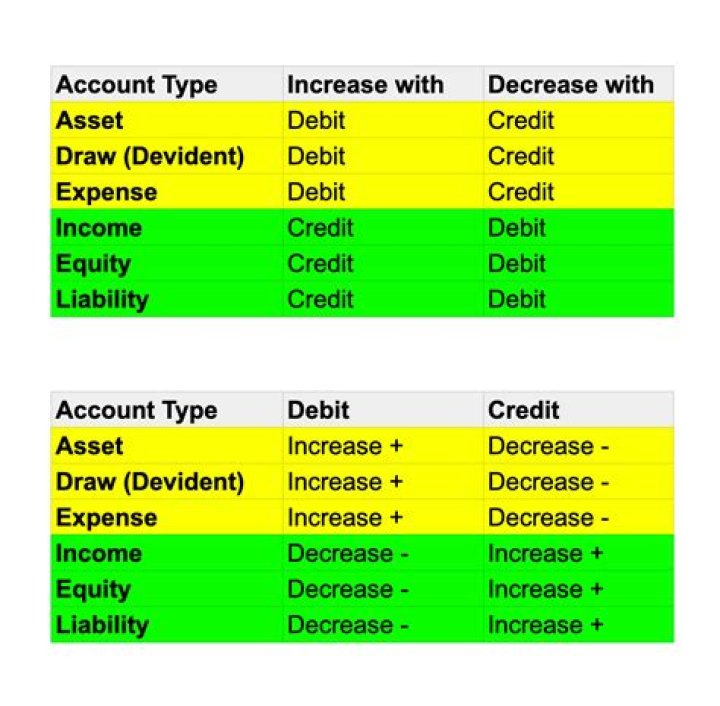
A debit decreases the balance and a credit increases the balance. Loss accounts. A debit increases the balance and a credit decreases the balance. Does de...
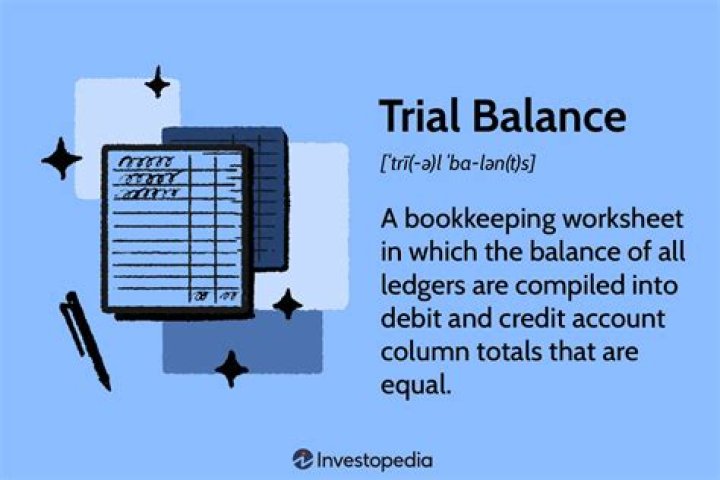
A trial balance is a worksheet with two columns, one for debits and one for credits, that ensures a company’s bookkeeping is mathematically correct. Why d...
Final audit is very suitable for small business concerns with less number of business transactions and resources. Periodical audit or final audit is condu...
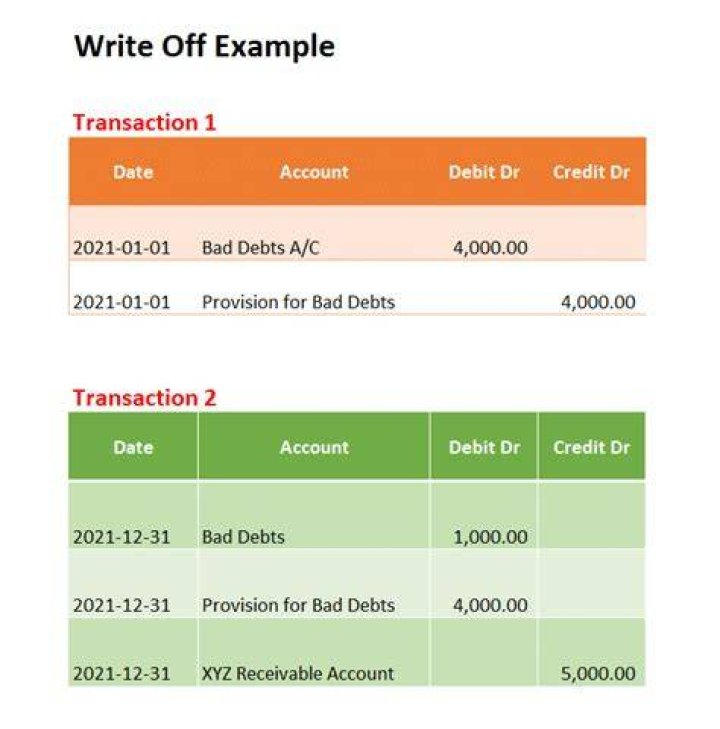
A write-off is an accounting action that reduces the value of an asset while simultaneously debiting a liabilities account. It is primarily used in its mo...
Calculating the Degree of Operating Leverage The degree of operating leverage can also be calculated by subtracting the variable costs of sales and dividi...
Revenue expenditures are short-term expenses used in the current period or typically within one year. Revenue expenditures include the expenses required t...
Debit and credit accounts Account When to Debit Cash and bank accounts When depositing funds or a customer makes a payment Accounts receivable When a sale...
In the case of credit sales, the respective “debtor’s account” is debited, whereas “sales account” is credited with the equal amount….Journal Entry for Cr...
Basis is generally the amount of your capital investment in property for tax purposes. Use your basis to figure depreciation, amortization, depletion, cas...